My grandfather, Papa Nnamdi, was a strong man — a farmer in our village near Owerri. He could work from sunrise to sunset and still carry a tuber of yam on his shoulder like it was nothing. Then one ordinary Sunday afternoon, after church, he complained of a heavy headache and lay down to rest. He never woke up. The doctor called it a stroke caused by high blood pressure. He was 63. In those days nobody in the village even owned a BP machine, so no one saw it coming.
We buried him and we grieved. But nobody in my family understood that a quiet, inherited danger had just shown its face. Years later, it came for my father too.
I watched my daddy — a retired civil servant, the most disciplined man I knew — slowly change. First it was the headaches he blamed on stress. Then the dizziness when he stood up. Then the morning his left hand went weak and his speech began to slur. We rushed him to Federal Medical Centre, Owerri. His blood pressure was 198/120. The doctor said the words that still stay with me: "This didn't start today. It has been building quietly for years."
My father survived that first stroke, but he was never quite the same. His right side stayed weak for months. We spent our savings on drugs, hospital visits and physiotherapy — amlodipine in the morning, a water tablet at night, test after test. His pressure still went up and down no matter what we tried. That was when I started keeping a small notebook of everyone's readings, because I was becoming afraid.
And I had reason to be. I began feeling it in my own body — the headaches, the chest tightness, the heart that would race for no reason while I lay in bed at night. I bought a home BP machine and checked myself one evening: 167/104. I was 42. My own doctor confirmed it and started me on medication. I thought about my two children sleeping in the next room and asked myself: "Is this how my family keeps going — one stroke after another, generation after generation?" It honestly felt like a curse in our blood.
"I wasn't just fighting my own blood pressure. I was fighting the same thing that took my grandfather and broke my father. I refused to let it take me too — and I refused to hand it down to my children."
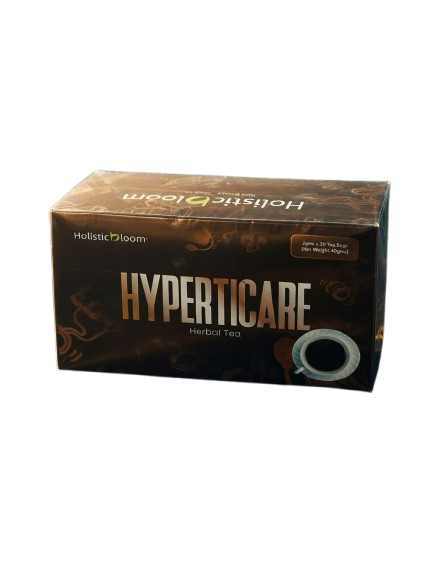
The turning point came from an unexpected place. My cousin Ngozi, who lives in Lagos, called me one evening. She had been on BP medication for years, and she told me her last two readings were finally in the normal range. I didn't believe her — I made her send me a photo of her BP machine. It read 128/82. When I asked what she was doing differently, she said one word: Hyperticare.
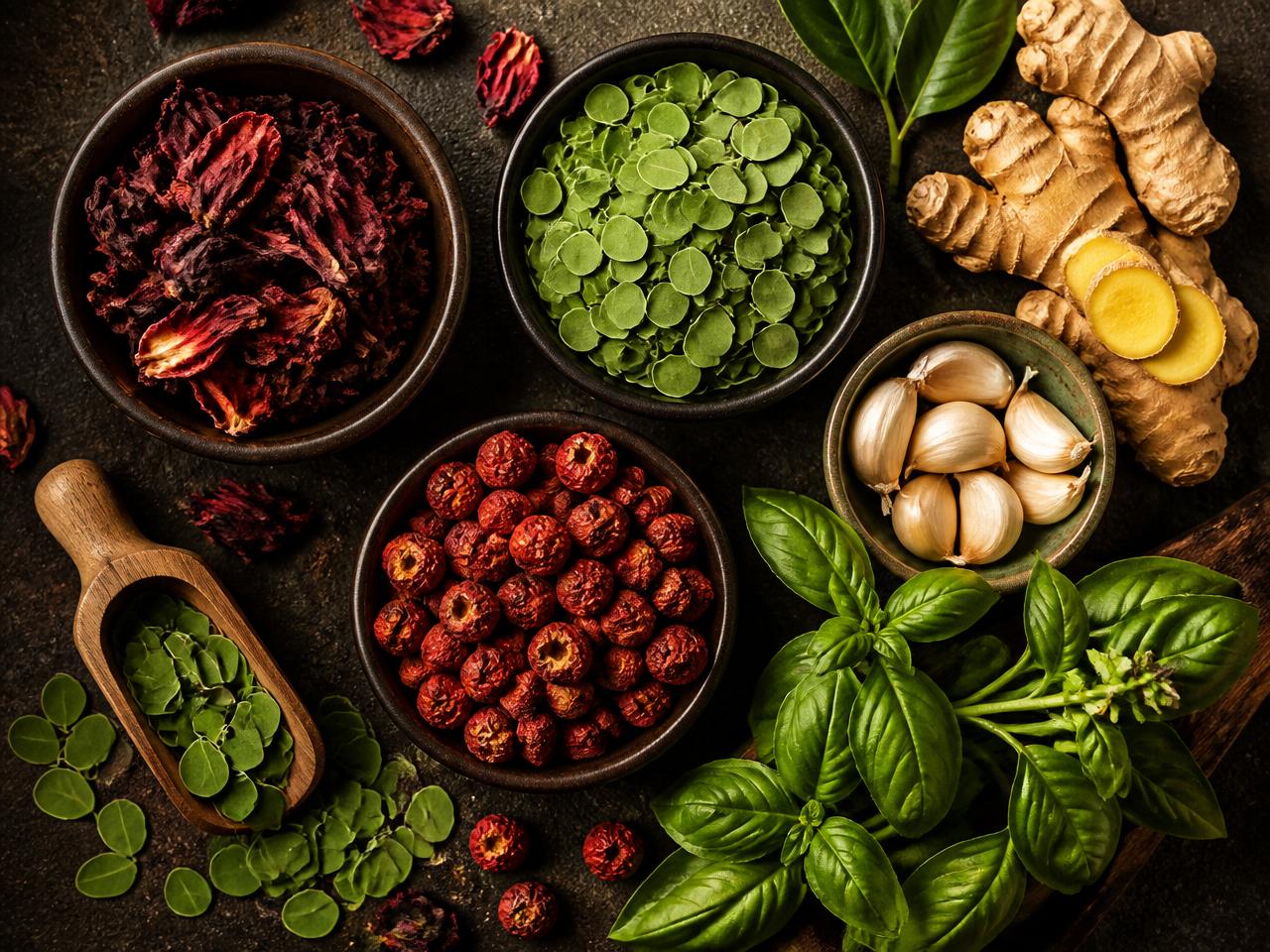
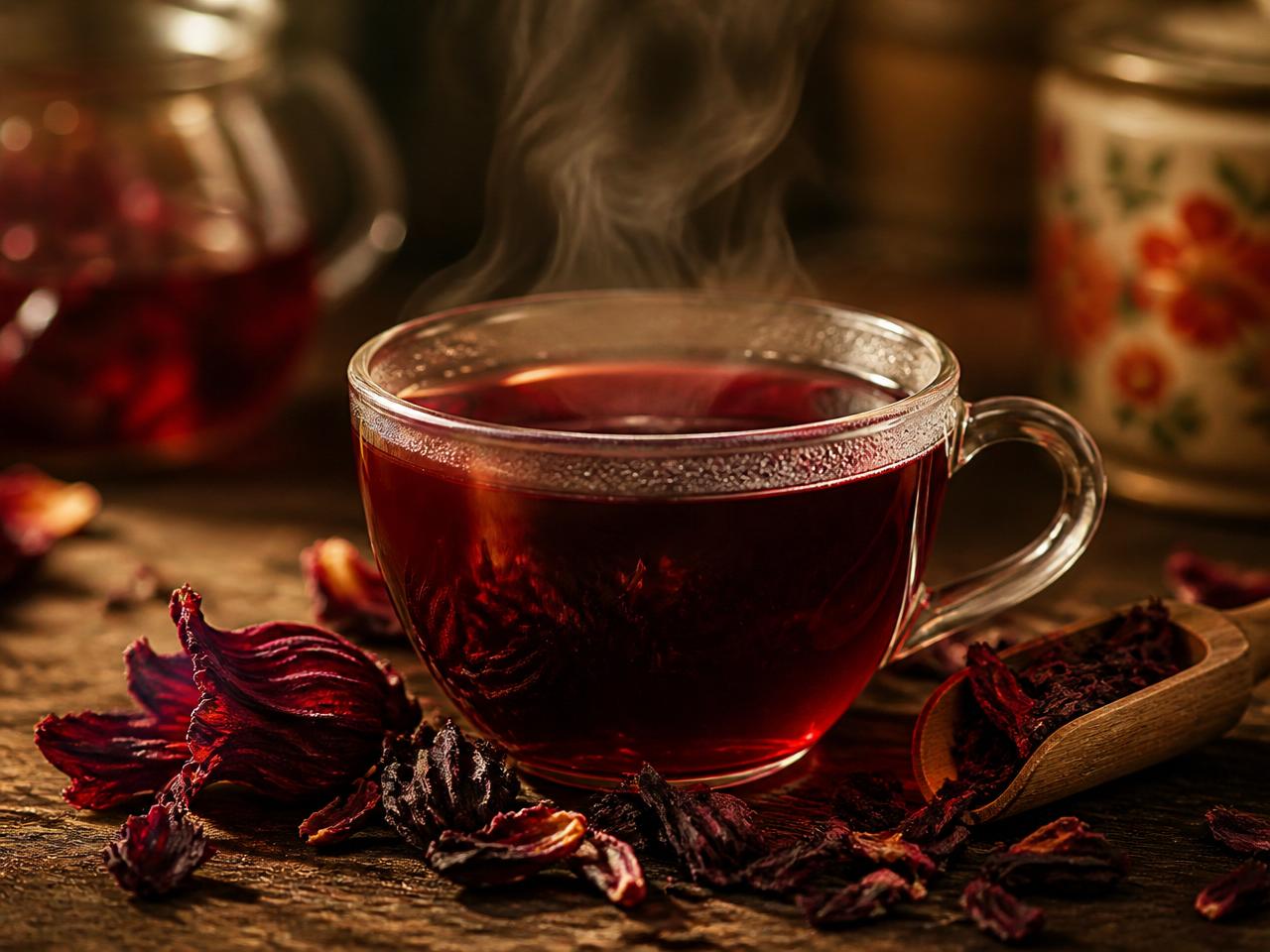
She explained it was a natural herbal tea made from hibiscus, moringa, hawthorn, garlic, African basil and other herbs — the kind of herbs our grandmothers used before we forgot our own medicine. She drank two cups a day, morning and night, alongside her doctor's care. As her readings improved, it was her doctor — not her — who slowly reduced her medication.
I ordered it that same night and started the same way: two cups daily, my medication as prescribed, and my little notebook to track everything honestly. The first two weeks were quiet — just calmer nerves, better sleep, fewer headaches. But by week four my reading was 146/94. By the second month, 134/88. By the end of the third month my machine showed 124/80 — the best it had ever been. My doctor was the one who then reduced my dose, and I sat on my bed and wept, this time with joy.
Today my father drinks Hyperticare too, and his pressure is the most stable it has been in years. My whole family now drinks it — not because we're all sick, but because we finally understand the truth: what ran in our blood was never really a curse. It was a warning we ignored for three generations. Hyperticare, together with proper medical care, is how we finally broke the chain.
(Everyone in my family still sees their doctor and never stops medication on their own. Results differ from person to person — but for us, the difference has been life-changing.)
If high blood pressure runs in your family the way it ran in mine, please don't wait for the headache that won't go, or the hand that suddenly goes weak. Break the chain now, while you still can.